
By Olivia Chow, Age 12
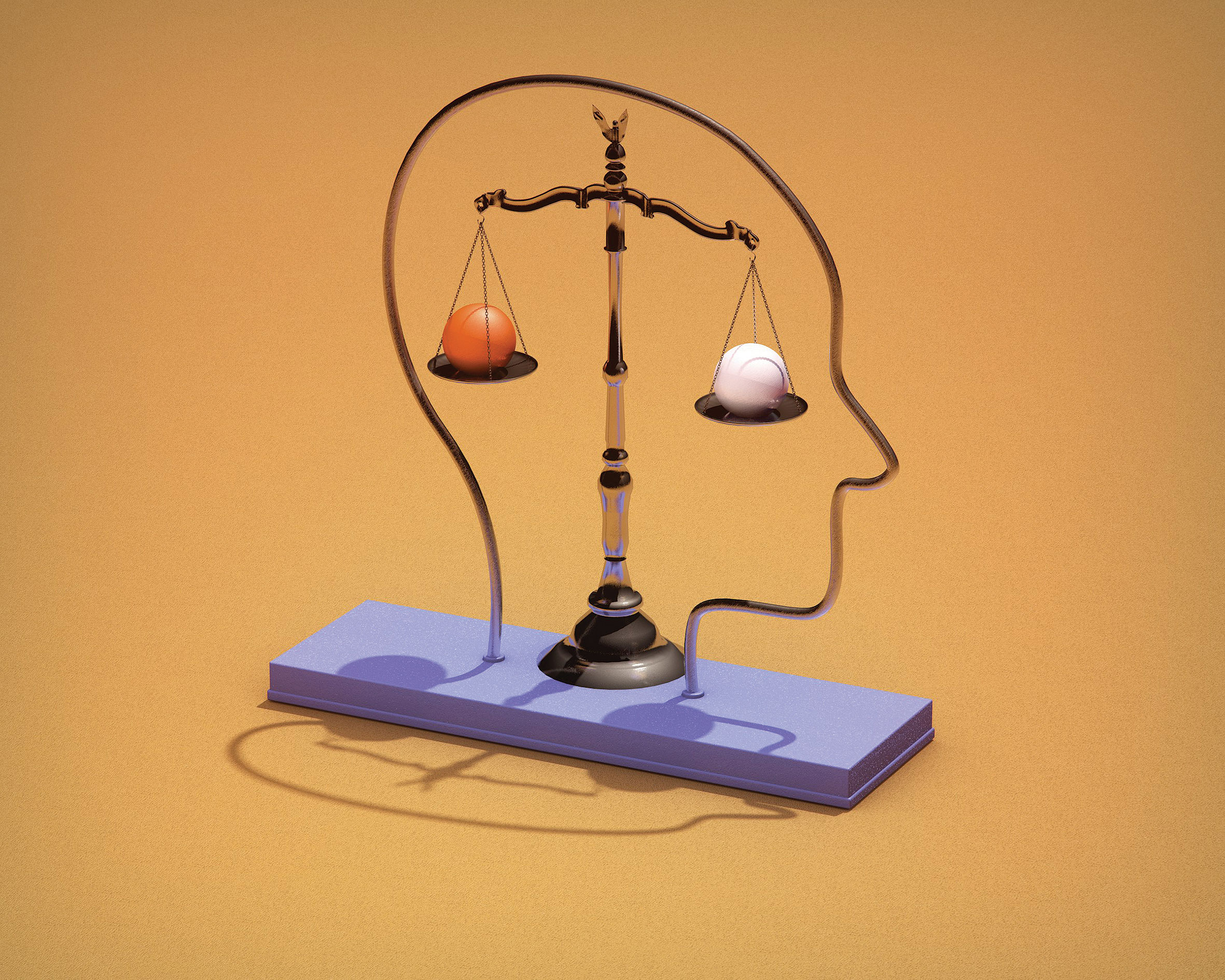
A hidden bias is a thought or idea that people can pick up that strongly contributes to their actions and choices, making them think or act negatively or positively toward a certain group or individual, according to Psychology Today.
About 75% of people have an unconscious bias, according to Harvard’s Project Implicit. At a young age, people begin to pick up many biases without even knowing it. People begin to see racial differences at the age of 3, and develop awareness around social hierarchies at the young age of 5. And by the time they’re 10, they have already developed many biases that they may hold onto until adulthood, according to Save the Children.
A study by Ohio State University’s Kirwan Institute found that in cases where Black and white students did the same bad thing in class, teachers often punished the Black students more harshly than the white students. This could be due to the teachers’ unconscious bias that links race to perceived threats. An unconscious bias can harm you and/or others and lead to a lack of a diverse environment.
Even though people will always have biases, there are ways to minimize the effects they have on your life, like learning about racism and immersing yourself in more diverse communities to learn different perspectives. An Oxford University study showed that face-to-face contact with other racial or ethnic groups is more effective at minimizing bias compared to online contact.
Another way to minimize bias is to cut down on harmful media consumption. An Ofcom 2024 report showed that 67% of U.K. teenagers consumed hateful online content. Consistent exposure to media that expresses hate toward a group can normalize the idea of discriminating against them. Paying critical attention to the choices creators make in content also helps.
Research from the University of Cambridge in 2023 found that kids whose parents discussed or talked with their children about racial stereotypes were 40% less likely to show bias toward other racial groups, compared to children whose parents did not.
It’s important for readers to know that being closed-minded to a certain group limits your perspectives. By not giving someone a chance, you may prevent them from reaching their full potential. An example would be a boss preventing someone from choosing their desired career path (and not even giving them a chance) due to their race, ethnicity, gender, etc.
Due to children picking up biases at such a young age, we must try to expose ourselves to more diverse communities, put ourselves in others’ shoes, let others show their strengths, and not doubt people’s abilities. Through these efforts, we can minimize our biases and help take a step closer to a better, less biased, and less discriminatory world.


