Science & the Environment +

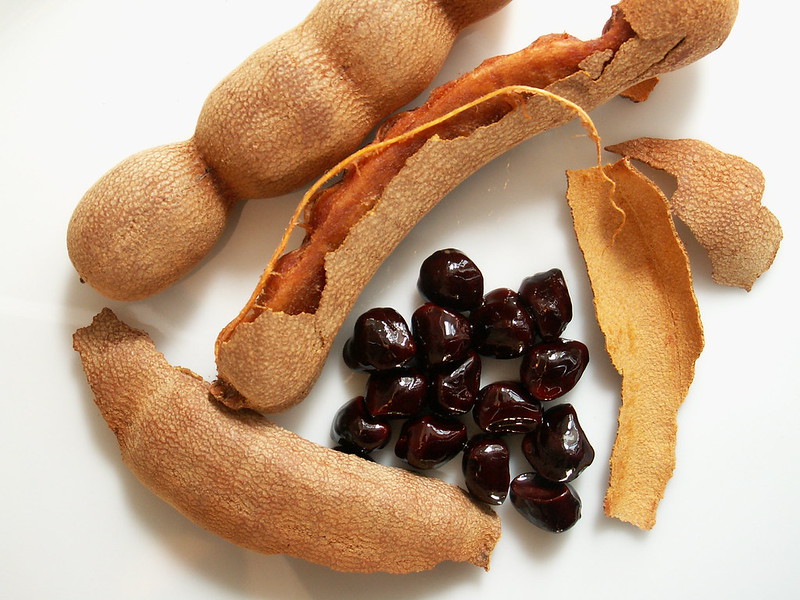
Tamarind plant and seeds (Photo by Malcolm Smith for Flickr)

Tamarind Seeds Could Help Reduce Plastic Waste in the Ocean

By Remi Kou, age 10 The 2026 Earth Prize — the biggest prize in youth environmental innovation — was given to three 16-year-olds for their microplastic filter made of tamarind seeds. According to MSN, the way this powder-like substance works is that it gathers up all the microplastics in the water in visible clumps, and …

Tamarind Seeds Could Help Reduce Plastic Waste in the Ocean Read More »

Poorer Countries Are More Vulnerable to Climate Change

By Esmerlin Tavarez, age 10  Why are poorer countries more affected by climate change? Climate change affects poorer countries more because they don’t have the resources needed to adapt to climate change. Richer countries can recover from and prepare for natural disasters because they are more financially equipped. A 2020 United Nations report found that …

Poorer Countries Are More Vulnerable to Climate Change Read More »

Photo courtesy of CDC

Air Purifiers: A Simple Solution to a Big Problem!

By Scarlett Mora, age 12 Air pollution is bad for kids. When we breathe polluted air, our respiratory, reproductive, endocrine, immune, digestive, and neurological systems can be affected, according to the Harvard Graduate School of Education. In one study, “Israeli students performed worse on high-stakes exams when air pollution spiked on test day. Similar results …

Air Purifiers: A Simple Solution to a Big Problem! Read More »

Brain Organoids Are Here. Are We Ready?

By Scarlett Mora age, 11 Scientists are growing miniature 3D brains from stem cells. These are called  brain organoids. These mimic the structures and function of real brains but on a tiny scale. Research using brain organoids is helping scientists discover new medical treatments, study brain development, and reduce the demand for animal testing, according …

Brain Organoids Are Here. Are We Ready? Read More »