
By Shanty Tejeda, age 10
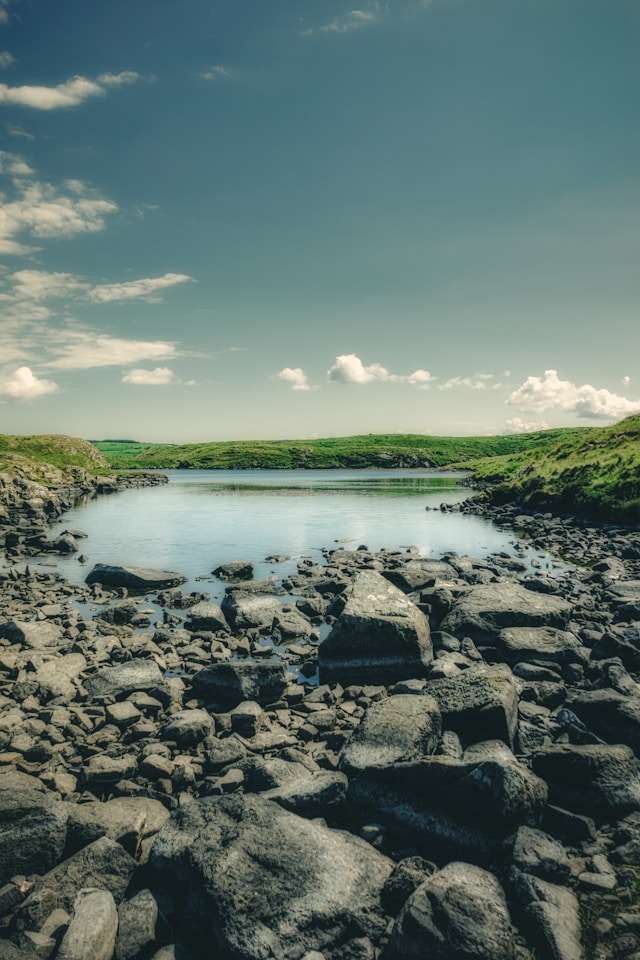
Freshwater is all around us. We drink freshwater and use it every day. But what if it is under threat? Freshwater habitats and species are endangered and at risk of extinction, as discovered by scientists in a study published by Nature in January 2025. The study states that 24% of freshwater species are in danger of extinction. Scientists have studied other waters, but when they finally analyzed the global risk of extinction to freshwater species, they discovered that the ecosystem and animals are currently critically endangered. The study states that 24% of freshwater species are in danger of extinction. Scientists have studied other waters, but when they finally analyzed the global risk of extinction to freshwater species, they discovered that the ecosystem and animals are currently critically endangered.
You might be wondering: What is freshwater? Freshwater is an ecosystem and a type of water found in lakes, wetlands, and swamps, according to Nat Geo Kids. According to National Geographic, “freshwater is 2.5% of the world’s water.” Even though freshwater comprises just 2.5% of the world’s water, it is home to about 100,000 different species of plants and animals. Wow, that’s a pretty big number! Freshwater plays a huge role in nature, as plants in freshwater habitats, such as algae, water lilies, and willow trees, filter pollution and distribute nutrients to the ecosystem.
Deforestation, wildfires, and dams are slowly killing freshwater habitats. Trees are unable to distribute vital nutrients to the water as deforestation and wildfires destroy the plant life, adding ash to the water. Similarly, damming impacts water flow and reduces the size of the habitat, which is unhealthy for the animals like dragonflies, crabs, and beavers that reside in the freshwater ecosystem.
Illegal gold miners are also affecting our waters. Unlicensed gold miners use mercury to separate gold from the soil. Although cheap, mercury is very harmful to the species that reside in freshwater. Sand mining, like illegal gold mining, is also damaging and can be harmful to the water as it changes the flow of the water and can be toxic, affecting the habitat. It also makes it hard for the animals to remain in one place.
There is an even greater issue affecting freshwater today: the population. Humans are overusing freshwater as it is used to make cotton—something we use a lot for our clothing—as well as computer cooling systems and our drinking water.
There are a lot of problems surrounding freshwater. As stated in National Geographic, “Due to geography, climate, engineering, regulation, and competition for resources, some regions seem relatively flush with freshwater, while others face drought and debilitating pollution. In much of the developing world, clean water is either hard to come by or a commodity that requires laborious work or significant currency to obtain.” This means that not all countries have access to the same quality of resources, such as water, food, and air, and developing countries will be impacted the most, as they already don’t have access to purified water. The freshwater problem is not just a normal problem, but a crisis that will put additional freshwater species at risk of extinction and will impact our day-to-day lives.
Scientists are currently working on ways to conserve and protect freshwater habitats and species. Whether you’re a human or a crab that lives in the habitat, freshwater is a vital resource for everyone. If you would like to help, recycling and reusing, using water-efficient, appliances and taking shorter showers are everyday actions you can take to save the freshwater environment, and the environment in general.


