
By NIKHIL SABNIS, Age 10
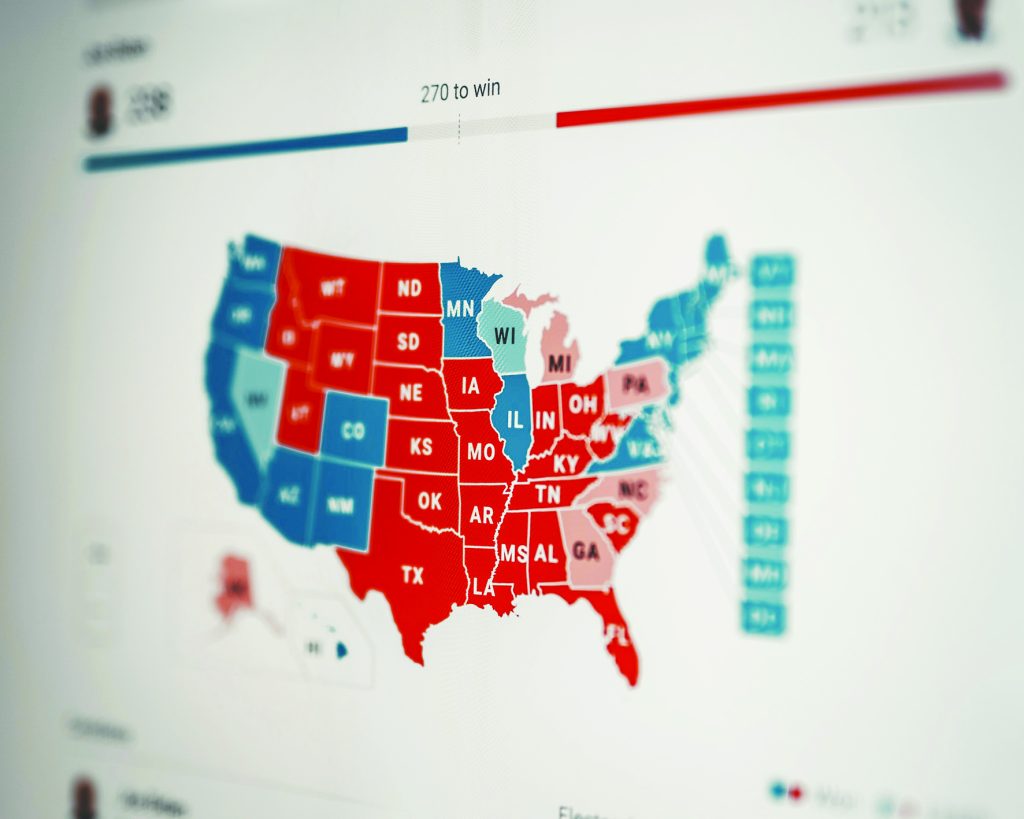
Knowing how political systems within the United States and around the globe work is crucial to gaining a deeper understanding of our world. There are several different types of elections and branches of government in the United States that will be explained in detail in this article: primary, general and special elections, as well as the legislative, executive and judicial forms of administration.
Elections & Voting
Elections are an important pillar of democracy since they are the way that the citizens get their perspectives told.
Primary elections are the “elections before the elections.” These are types of elections where a party’s candidates compete to see who represents their side in the general election. Primaries take place typically six to nine months before the presidential election in November. There are three different types of primaries: open elections, closed elections and semi-closed elections. Open elections are when a voter can vote for a candidate in either party. For example, a registered Republican voter could vote in the Democratic primaries in an open election. Closed elections are where voters can only vote with the party that they are registered with. Absentee voters are people who have been permitted to vote by mail and not in person.
Semi-closed elections are where independent voters may vote for any party they wish, Democratic or Republican, but a registered Republican or Democratic voter cannot vote for the opposite party. The candidate who wins a primary in that party will run in the general election.
General elections are where candidates nominated from each party through primaries or other ways compete to see who gains the most votes. They occur nationally, though they can also occur at the state or city level. Registered voters in the United States can vote in the presidential general election, which takes place every four years in November. The winner then serves in office for the next four years, until the next election takes place. Registered voters, who are people at least 18 years old and citizens of the United States, can vote in the U.S. general election. Three types of candidates can be elected in general elections: federal candidates, such as U.S. senators and U.S. representatives to Congress; state candidates, such as governor, lieutenant governor, general assembly, attorney general, auditor general, state treasurer; and, lastly, county and city officials.
Special elections are held when an elected official steps down or passes away, or when people are asked to vote on a law. These elections can take place at any point. Those inside of the specific area that the election applies to, like in a city, state or even nationwide, may vote in this election.
Branches of Government
There are three different types—or branches, as they are known—of government in the United States: legislative, executive and judicial. The legislative branch consists of the House of Representatives and the Senate, known collectively as Congress. They declare wars, pass laws, impose taxes, and much more. The executive branch consists of the president, their advisers and various departments. The executive branch enforces the laws and controls the military. The judicial branch consists of the Supreme Court and lower courts, such as state and federal courts. The job of the judicial branch is to decide what laws mean in real-life situations and court cases, and to decide if laws are in violation of the Constitution.
These different kinds of elections and forms of government work together to try and create a just, equal and safe society in the United States.


