
By Remi Kou, age 10
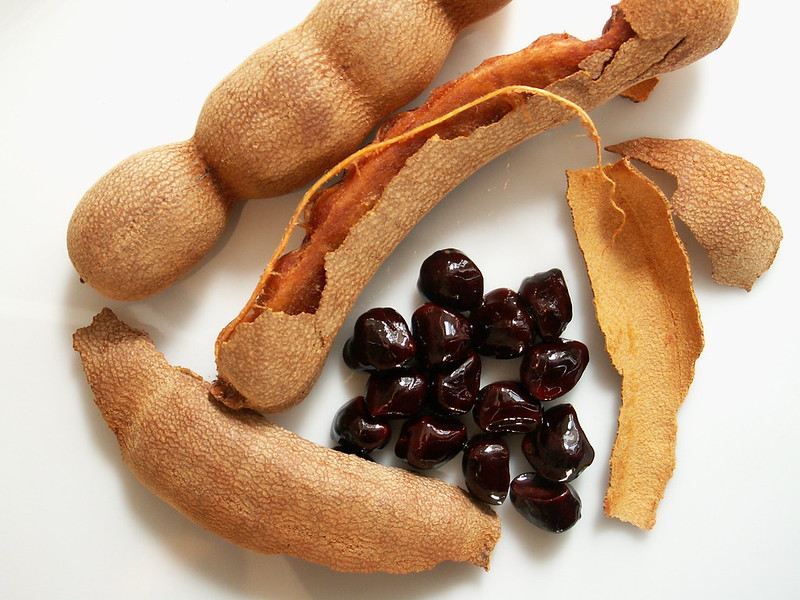
The 2026 Earth Prize — the biggest prize in youth environmental innovation — was given to three 16-year-olds for their microplastic filter made of tamarind seeds. According to MSN, the way this powder-like substance works is that it gathers up all the microplastics in the water in visible clumps, and the clumps can be removed from the water via a magnet.
These three teens got inspiration for their item, Plas-Stick, when they visited a rural village in India and saw a child drink from a giant shared plastic water container. They wondered how many people were drinking their water and also, unknowingly, consuming microplastics. This product is important for the environment because it’s free to make (at least if you have access to tamarinds) and easy to use. It also doesn’t use any precious resources, like electricity.
Even with people helping with these issues, microplastics pose a giant risk to our environment. They start as big pieces of plastic, such as containers or water bottles. Then, as they enter the ocean, they will slowly deteriorate into tiny pieces of plastic that end up in “safe” water that we drink. This is just one of many dangerous types of tiny plastics.
Believe it or not, in the past, some people used to purposely create tiny pieces of plastic, called microbeads, which used to be used regularly in health and beauty products. Former President Barack Obama signed the Microbead-Free Waters Act of 2015, which banned microbeads from being used or produced in the United States, according to the National Oceanic and Atmospheric Administration.
Still, other microplastics today pose a threat to our environment, because aquatic animals and life could mistake them for food and seriously injure themselves by eating them.
Despite many people trying to do good, saving the environment is a group project for the whole world. People need to start following the rules of reducing, reusing, and recycling, and find more solutions to plastic waste, or else the world will soon fall to shambles due to pollution. Sometimes, though, the answer is as simple as a tamarind seed.


