
By AISHA SIDDIQA HASSIM, Age 15
Palestine, the land of the olive trees, is facing an agricultural crisis. Since Oct. 7, Israel has started a series of bombings, with white phosphorus and other ammunition, that have severely affected the climate and land in Palestine. Temperatures have risen, dry summers have become rainy, and the land has had its decadeslong growing patterns uprooted.
Unfortunately, weather and climate are not the only problems that Palestinians face. There have been cases of Israeli soldiers setting fire to and destroying land, cutting off water, and, more severely, killing the people who work on and protect the land. There is also the issue of the apartheid wall built by Israeli soldiers, which has cut families off from their olive groves and has taken up the space that they would have used for housing and farming, which has caused overcrowding in the spaces already there.
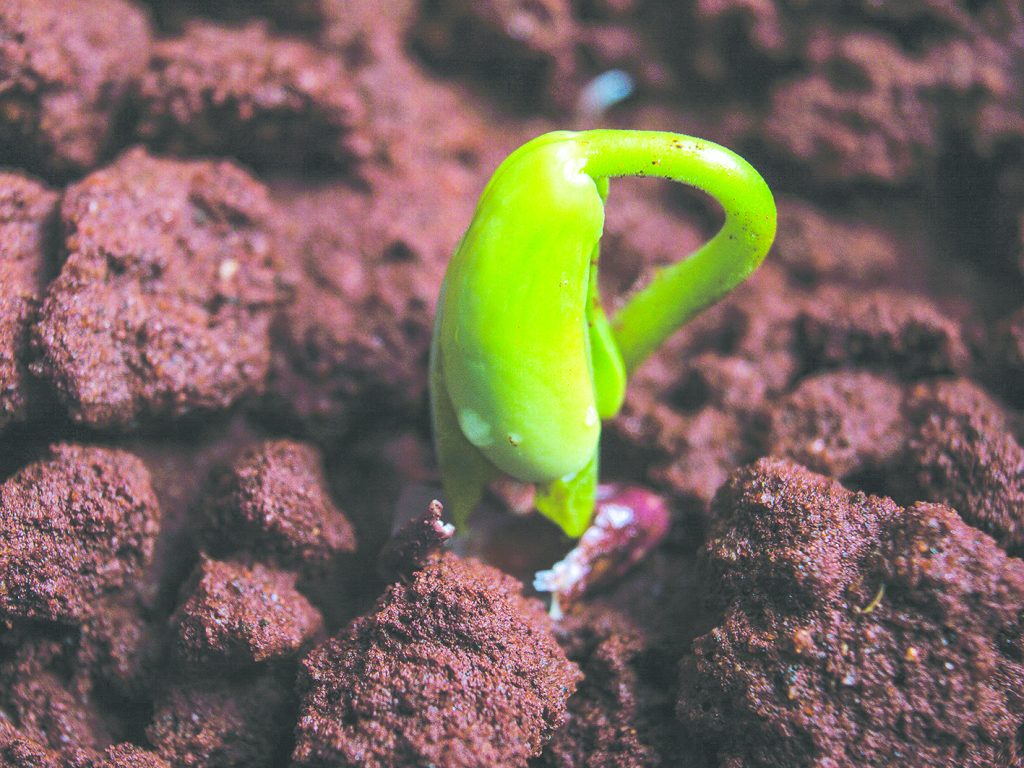
To combat the crisis in Palestine, Vivien Sansour, a Palestinian conservationist, writer and artist, partnered with the Hudson Valley Seed Company to work on preserving and growing heirloom plants, including wheat, gourds, cucumber, watermelon, eggplant, spinach and more. This project was made more urgent by the growing famine in Palestine and helps to renourish the land and provide food sources, not only in Palestine but also for places around the world facing droughts. The seeds, accustomed to growing in dry areas, offer a solution to the world’s climate crisis. The aim of the project is not only to create these food sources but to also conserve Palestinian heritage through its flora.
The project is called the Palestine Heirloom Seed Library. Sansour notes that it is not a “bank” where the seeds are stored and preserved for a future “doomsday,” but rather focuses on partnering with people who want to grow food and crops, because, in her opinion, doomsday is already here. She says that she has received emails from people in Gaza asking for information on what plants they could eat around them, which made her realize that the work they are doing is urgent and important.
Sansour talked to the Guardian about her passion for edible plants and how growing up in Beit Jala inspired it. “My life was such a beautiful bouquet of diversity all the time in terms of plant life,” she said. Unfortunately, the climate crisis has narrowed that diversity down. According to Sansour, in about 10 years, the area went from completely soil and sun-based agriculture to needing Israeli agribusiness for seeds and chemical inputs.
The project works to tell the story of loss, grief and struggle of the Palestinian people and the individual struggles of herself and farmers in Palestine. It conveys the message of resilience and strength. It holds the hope for a better future in agriculture and food, not only for Palestinians, but for the world. “Every time we plant a seed or we plant a tree, we are planting it with the hope and intention to have a future,” Sansour told the Guardian. You cannot have a future without knowing your past, and this project works to preserve history in order to create a better future.


