
By AISHA SIDDIQA HASSIM, age 15
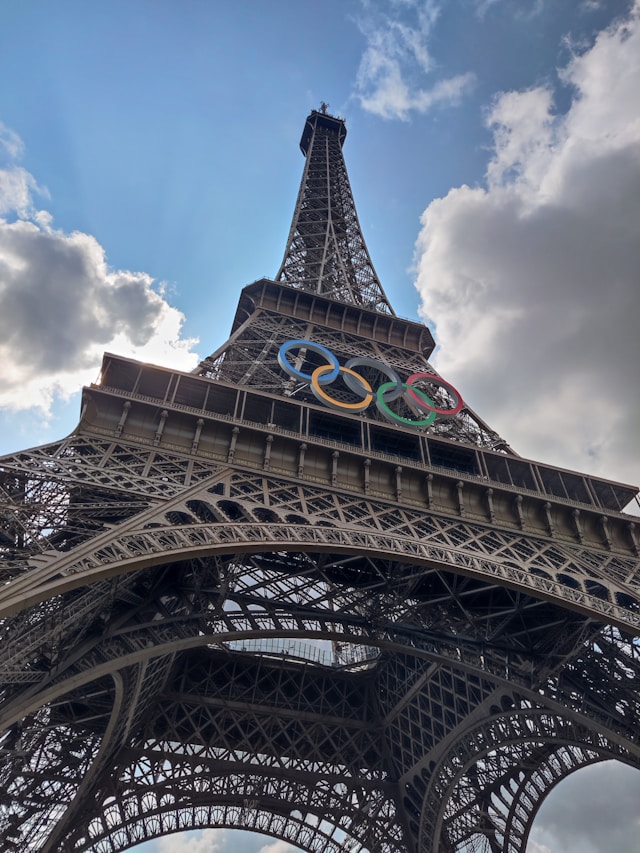
Hijab is a representation of who I am. It is a message to the world that I am a Muslim woman and I am proud of it. France took away a Muslim woman’s right to represent herself and her people at the Olympics. The 2024 Paris Olympics was supposed to be the first truly inclusive Olympic Games, but due to France’s ban on religious symbols, specifically the hijab, Muslim athletes were unable to compete if they wore a headcovering.
After the original decision from France, many human rights groups protested against it, claiming that it went against human rights laws, with Amnesty International being especially vocal about the injustices of it.
France continues to defend its decision by claiming that the hijab is a religious symbol and thus goes against the country’s principle of laïcité (secularism), where religion is kept separate from public life. By making laws restricting people from wearing religious symbols, France argues that it is maintaining neutrality in public spaces and upholding the values of secularism.
However, this decision has sparked global debate. Many see it as a violation of freedom and human rights, particularly the right to express one’s religious beliefs. For Muslim women, the hijab is not just a piece of clothing; it is a part of our identity and faith. Denying us the right to wear it, especially on such a large stage as the Olympics, is an act of exclusion and discrimination.
The ban not only impacts athletes but also sends a broader message about the acceptance of religious diversity in public life. In a world where inclusivity and diversity are increasingly valued, such a ban appears to be a step backward. The Olympics should be a platform where athletes from all backgrounds can participate, without having to give up their beliefs or identities.
The controversy surrounding this decision will likely continue, as it raises important questions about the balance between secularism and religious freedom, and the extent to which a state can impose its values on individuals.
In the end, the question remains: Can true inclusivity be achieved if individuals are forced to choose between their identity and their participation in global events? For many Muslim women, the answer is clear. The hijab is not just a symbol; it is a part of who they are, and no law should force them to abandon that.


